Guide To French Door Windows: The Intermediate Guide To French Door Windows
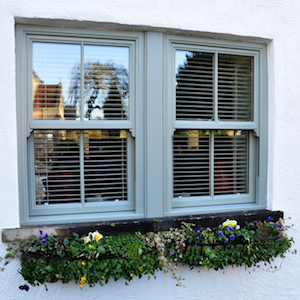
French Door Windows: Elegance, Light, and Functionality Combined
French door windows, also understood as French casement windows, are a sophisticated and versatile window style that has actually graced homes for centuries. Emanating a classic beauty and providing a special blend of aesthetic appeal and useful performance, they are a popular option for property owners seeking to elevate their interiors and create a more open, airy living space. This post delves into the world of French door windows, exploring their characteristics, advantages, types, and considerations for those considering integrating them into their homes.
A Touch of European Elegance
The design of French door windows is rooted in the classic French doors, coming from 17th-century France. In a time when glassmaking technology was limited to smaller panes, French doors were developed with multiple small glass panes held together by muntins or grilles. This style feature not only made the most of the amount of light getting in a room but likewise developed a visually attractive grid pattern. French door windows inherit this visual family tree, using a window variation that retains the classy lines and extensive glass area of their door equivalents.
Identified by 2 nearby window panels that hinge outwards or inwards, French door windows run much like conventional French doors, however instead of reaching the floor, they are installed within window openings. This style enables unobstructed views and abundant natural light, making them a desirable feature in numerous rooms throughout a home.
Why Choose French Door Windows? Revealing the Benefits
French door windows offer a wide variety of benefits that make them a compelling choice for house owners. Here are some key advantages:
Enhanced Natural Light: Perhaps the most substantial advantage of French door windows is their ability to take full advantage of natural light penetration. The expansive glass location, frequently extending practically from leading to bottom of the frame, floods rooms with sunlight, creating brighter, more inviting, and energy-efficient areas. This abundance of natural light can lower the requirement for synthetic lighting throughout the day, adding to energy savings and a more pleasant ambiance.
Enhanced Ventilation: Many French door window styles are developed to open completely outwards or inwards, enabling for excellent cross-ventilation. This is especially advantageous in warmer climates or throughout seasons when natural breezes are desired. Opening both window panels can create a revitalizing air flow, helping to cool down a space naturally and lower dependence on air conditioning.
Unblocked Views: The big glass panes and minimal frame design of French door windows supply expansive, unobstructed views of the outdoors. Whether ignoring a garden, a cityscape, or a natural landscape, these windows can genuinely connect the exterior and interior spaces, creating a sense of spaciousness and bringing the charm of the outside world indoors.
Aesthetic Appeal: French door windows exhibit an ageless beauty and elegance that can improve the architectural style of any home. Their classic design complements both standard and contemporary looks, including a touch of refinement and visual interest. The grid patterns created by muntins can even more boost their appeal, adding character and detail to the window design.
Increased Property Value: Investing in quality French door windows can increase the general worth of a home. Their visual appeal, energy-efficient functions (when choosing contemporary, insulated choices), and improved natural light are all preferable features that can bring in potential buyers and boost resale worth.
Versatile Applications: French door windows are incredibly flexible and can be used in numerous spaces throughout a home. They are particularly popular in living spaces, dining rooms, kitchen areas, and bed rooms, where their light-enhancing and view-maximizing qualities are most valued. They can likewise be used as interior windows to link spaces visually while maintaining some level of separation.
Checking out the Variety: Types of French Door Windows
While the fundamental style of French door windows remains consistent, there is still a range of designs and setups offered to match different requirements and preferences.
Outswing French Door Windows: These windows swing outwards, away from the interior of the room. Outswing windows are often chosen for their weather resistance as the wind pressure pushes the window versus the weather removing, developing a tighter seal. They are likewise space-saving in smaller sized rooms as they don't horn in the interior area when opened.
Inswing French Door Windows: These windows swing inwards, into the room. Inswing windows are simpler to clean from inside your home and are a more traditional European design. However, they may need more clearance area within the room to accommodate the swing.
Fixed French Door Windows (French Casement Windows): While many French door windows are operable, some designs incorporate fixed panels together with operable sections. Fixed French door windows are non-opening and are primarily used for maximizing light and views in locations where ventilation is not a main issue. They are often combined with operable French door windows to produce bigger window arrangements.
Material Options: French door windows are offered in a series of materials, each offering various characteristics in terms of visual appeals, toughness, and maintenance:
- Wood: Classic and elegant, wood French door windows offer outstanding insulation and a warm, natural appearance. However, wood requires regular maintenance, such as painting or staining, to protect it from the elements.
- Vinyl: Vinyl French door windows are a popular choice due to their price, low maintenance, and energy performance. They are resistant to rot, warping, and fading and require minimal upkeep.
- Aluminum: Aluminum French door windows are known for their strength, resilience, and streamlined, modern-day look. They are lightweight and low-maintenance however can be less energy-efficient than wood or vinyl.
- Fiberglass: Fiberglass French door windows provide a balance of toughness, energy efficiency, and low upkeep. They are resistant to warping, rot, and insects and can simulate the appearance of wood while needing less maintenance.
Installation and Maintenance: Ensuring Longevity
Correct installation by experienced specialists is crucial for making sure the optimal performance and durability of French door windows. Inaccurate setup can lead to concerns like drafts, leaks, and functional issues.
Upkeep for French door windows will depend upon the material picked. Routine cleaning of the glass and frames is vital to keep their appearance. Wood windows will need periodic painting or staining to secure them from moisture and UV damage. Vinyl and aluminum windows normally need less upkeep, primarily cleaning up with soap and water. It's also great practice to check the weather condition stripping and hardware periodically and oil hinges and locking mechanisms as required to ensure smooth operation.
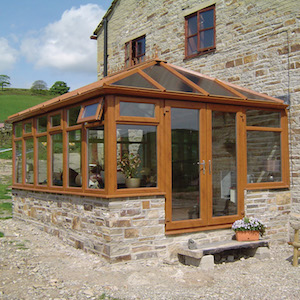
Cost Considerations: An Investment in Style and Value
The cost of French door windows can differ depending upon elements such as size, product, style, glass alternatives (like double or triple glazing for energy performance), and installation intricacy. Generally, French door windows are often priced somewhat greater than basic windows due to their larger size and more complex operating mechanisms.
However, considering the many advantages they provide-- improved natural light, improved ventilation, aesthetic appeal, and possible increase in residential or commercial property value-- French door windows can be seen as a worthwhile investment in the long run. It's always recommended to acquire quotes from numerous window providers and installers to compare rates and ensure you are getting the very best value for your spending plan.
Conclusion: Embracing Light and Elegance
French door windows are more than simply window coverings; they are architectural functions that can transform a home. Their ability to flood interiors with natural light, provide extensive views, and improve aesthetic appeal makes them a preferable choice for house owners looking for to produce brilliant, welcoming, and trendy living spaces. Whether you are remodeling an existing home or building a brand-new one, thinking about French door windows can be a considerable step towards adding a touch of classic beauty and functionality to your residential or commercial property. By thoroughly considering the various types, products, and installation aspects, you can select French door windows that perfectly complement your home's style and enhance your everyday living experience.
Frequently Asked Questions (FAQs) about French Door Windows
Q1: What is the difference in between French doors and French door windows?
A: French doors are full-height doors that usually reach the floor and are used as entryways or to gain access to patio areas or decks. French door windows, on the other hand, are set up within window openings and are shorter, operating simply as windows. Both share the quality of 2 surrounding panels that open outwards or inwards and feature a similar aesthetic with divided glass panes.
Q2: Are French door windows energy-efficient?
A: Yes, modern French door windows can be really energy-efficient, specifically when equipped with functions like:
- Double or Triple Glazing: Multiple panes of glass with insulating gas fills in between them significantly improve thermal efficiency.
- Low-E Coatings: These finishes on the glass show heat, keeping homes cooler in summertime and warmer in winter.
- Thermal Breaks: In aluminum and fiberglass frames, thermal breaks minimize heat transfer through the frame material.
- Weather condition Stripping: High-quality weather condition removing produces a tight seal to prevent drafts and air leak.
Q3: Are French door windows protect?
A: Yes, French door windows can be extremely secure. Search for windows with functions like:
- Multi-point Locking Systems: These systems secure the window at multiple points along the frame, making them more resistant to forced entry.
- Strengthened Frames: Strong frames, specifically in products like fiberglass or aluminum, improve security.
- Tempered or Laminated Glass: These glass alternatives are more resistant to damage than basic glass, additional improving security.
Q4: Can French door windows be personalized?
A: Yes, French door windows provide a high degree of personalization. You can customize:
- Size and Dimensions: Windows can be made to fit particular opening sizes.
- Product: Choose from wood, vinyl, aluminum, fiberglass, or composite materials.
- Grid Patterns (Muntins): Select various grid patterns to match your home's design.
- Hardware Finishes: Customize hinges, deals with, and locks with various surfaces.
- Glass Options: Choose from clear, tinted, obscured, or energy-efficient glass alternatives.
Q5: Are French door windows difficult to clean?
A: Inswing French door windows are generally easier to clean from inside your house, as you can reach both sides of the glass from inside. Outswing windows might need cleaning from the outside, which might necessitate using a ladder for upper-story windows. Nevertheless, regular cleaning with window cleaner and a soft fabric will keep them looking their best.
Q6: Are French door windows appropriate for all climates?
A: Yes, French door windows can be appropriate for different environments when properly chosen and installed. For chillier environments, pick energy-efficient options with excellent insulation. For hotter environments, think about windows with Low-E coatings to lower heat gain. Appropriate weather removing and installation are important in all environments to guarantee weather condition resistance and prevent drafts or leakages.
List of benefits of French Door Windows:
- Maximize natural light
- Improve ventilation
- Offer unobstructed views
- Boost visual appeal
- Increase residential or commercial property worth
- Flexible application in various spaces
- Ageless style
- Can be energy-efficient with modern functions
- Deal customization choices
- Readily available in different materials to fit numerous requirements and budgets.